 Simplifying your business.

 One software for all of your locations.

 Earn cash by referring businesses to us.



Your customers don’t ignore emails because they don’t care — they ignore them because they arrive at the wrong time.
Small business email marketing is no longer about sending more messages. It’s about sending the right message at the right moment. Thanks to smarter data, automation, and CRM-driven insights, timing has become one of the most powerful — and overlooked — ways to boost email performance.
If your open rates feel stuck or your follow-up emails go unanswered, the problem may not be what you’re sending — it’s when you’re sending it.
Build Stronger Relationships With Your Customers Using Our Mobile CRM Software for Small Businesses
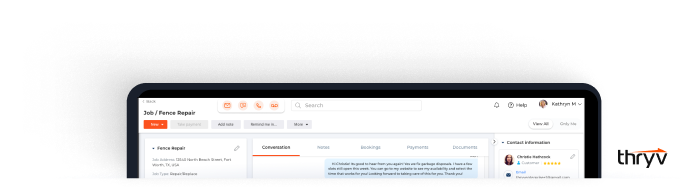
Our robust CRM software helps you build better relationships with your existing customers and nurture new leads. You can also view and manage all your communications and interactions from anywhere, including on your mobile device or desktop computer.
Why Email Timing Matters More Than Ever
Inbox competition is fierce. Customers receive dozens of emails daily, and attention spans are shorter than ever. That’s why data-driven email timing is now a core part of modern marketing strategies for small businesses.
When emails are sent at moments that align with customer behavior, businesses consistently see:
- Higher open rates
- More clicks and replies
- Better conversions and repeat business
Instead of guessing the “best time” to email, smart businesses let customer data determine timing.
How Small Businesses Can Master Email Timing
Mastering email timing doesn’t require guesswork or rigid schedules. Successful small businesses rely on connected data, automation, and customer insights to deliver emails when they’re most likely to be seen and acted on.
1. Use Automation to Respond to Customer Actions
The most effective email strategies are triggered by what customers actually do — not by random send times. Automated workflows allow businesses to send follow-ups after purchases, appointments, or service completions, ensuring emails arrive when engagement is naturally higher.
When automation is tied to real customer activity, post-emails feel timely and relevant instead of promotional or intrusive.
2. Centralize Customer Data for Smarter Timing Decisions
Email timing improves significantly when customer communication is informed by a centralized customer record. Access to interaction history, service details, and engagement patterns helps businesses determine not just what to send — but when to send it.
This approach allows messaging to scale without sacrificing personalization, even as customer lists grow.
3. Segment Audiences to Improve Relevance
Different customers respond to emails at different times. Segmenting audiences by customer type, service history, or engagement level allows businesses to adjust timing and messaging for each group.
This strategy increases open rates and reduces email fatigue, while creating opportunities to tailor follow-ups based on real behavior — not assumptions.
4. Reduce Manual Effort While Improving Results
Smart email timing works best when systems run in the background. By relying on automation and CRM-driven insights, small businesses can maintain consistent, timely communication without managing multiple tools or complex schedules.
The result is a more sustainable email strategy that supports long-term growth while freeing up time for running the business.
Timing Is a Competitive Advantage
Email marketing still delivers one of the highest ROIs for small businesses — but only when it’s done intelligently.
The businesses that win are the ones that:
- Use data to guide email timing
- Trigger messages based on customer behavior
- Segment audiences for relevance
- Automate follow-ups using CRM insights
When timing is right, your emails don’t feel like marketing — they feel like helpful, well-timed communication.
And that’s what gets them opened.
FAQs
Q: Why is email timing important for small businesses?
A: Email timing for small businesses directly impacts open rates, click-through rates, and conversions. Sending emails when customers are most likely to engage increases visibility, relevance, and response — without sending more messages.
Q: What is the best time to send marketing emails?
A: There is no single “best” time for all businesses. The most effective email timing is based on customer behavior, past engagement, and lifecycle events such as purchases, appointments, or repeat visits.
Q: How can small businesses use automation to improve email timing?
A: Small businesses can use marketing automation tools to trigger emails based on customer actions instead of fixed schedules. Automated emails sent after purchases, service completion, or follow-ups reach customers at the moment they are most engaged.
Q: How does customer segmentation improve email timing?
A: Segmenting customers by purchase history, customer type, or engagement level allows businesses to send emails at different times for different audiences. This improves personalization and ensures emails arrive when they are most relevant.
Q: How does Thryv support email timing for small businesses?
A: Thryv combines CRM data with smart automation to help small businesses send emails at optimal times. By tracking customer interactions and behaviors, Thryv enables personalized, well-timed email campaigns without manual effort.