
Key Takeaways
- Agentic AI can reduce administrative workload by helping manage enquiries, bookings, intake forms, cancellations and follow-ups, giving practice teams more capacity for patient care.
- AI should support (not replace) clinical judgement, with clear safeguards protecting patient information and escalating sensitive or clinical matters to qualified practitioners.
- Practices should start small and prepare carefully by choosing one low-risk workflow, improving their data and setting clear boundaries before expanding its use.
AI is already finding its way into allied health practices.
It can help draft patient emails, summarise notes, answer common questions and take some of the repetitive work off a busy team’s plate. Businesses are also finding practical ways to use AI in marketing, from responding to enquiries to following up with customers.
However, what if AI could do more than simply respond?
That’s where agentic AI comes in.
Unlike traditional AI, which typically generates an answer or completes a single task, agentic AI can help move a process forward. It can understand a request, identify what needs to happen next, take an approved action and know when it’s time to hand things over to a person.
For allied health practices, that could mean fewer administrative gaps, faster responses and more time for the work that requires professional expertise and a human touch.
The key is using AI to support the practice, not replace the people behind it.
Where agentic AI fits in allied health
Allied health businesses often operate with small teams and full appointment books. Clinicians move between consultations, reports, case coordination and administration, often with little breathing room between each responsibility.
As a practice grows, small gaps in enquiry and referral management can become increasingly difficult to manage.
An unanswered referral, an incomplete intake form, or a missed follow-up may appear minor in isolation. But together, they can affect revenue, access to care and the confidence of patients and referrers.
Imagine a physiotherapy clinic receiving an enquiry from a new patient experiencing knee pain. An AI agent connected to the practice inbox, calendar and approved service information could collect basic booking details, identify suitable appointment options and prepare a response.
If the enquiry asks for medical advice or requires clinical assessment, the workflow can stop and alert a qualified practitioner.
AI can help coordinate the experience around care while clinical decisions stay with the people qualified to make them.

Expert Tip
Start with the process, not the technology. Choose one repetitive, low-risk administrative task, define what success looks like and set clear escalation points before introducing agentic AI.
Turning everyday admin into a smoother experience
The same approach can support other common practice workflows.
A speech pathology practice might receive an enquiry from a parent looking for an assessment for their child. An AI agent could gather approved administrative information, confirm locations and appointment availability, provide intake forms and flag questions about funding for the practice team.
A multidisciplinary clinic could use AI to support its cancellation list. Based on criteria established by the practice, an agent could identify suitable patients, prepare a message and record the response.
The important part is that the rules come from the practice.
AI should not decide who receives clinical priority or make decisions that require professional judgement.
When used thoughtfully, these workflows can create a better experience on both sides.
Patients and referrers receive timely communication instead of waiting for someone to become available. Staff spend less time chasing information or repeating the same steps. And clinicians have more capacity for the conversations and decisions that require their expertise.
Thryv Expert Insight
Agentic AI works best when businesses give it clear information, defined permissions and firm escalation points. For allied health practices, reducing uncertainty is essential—particularly when patient trust, privacy and clinical judgement are involved
Rob Hayden, Global Manager, AI Innovation
Agentic AI vs traditional automation
Many allied health practices already use automation for booking confirmations, reminders, file updates and overdue invoices.
These workflows are all examples of workflows that can run without someone manually completing every step.
Traditional automation works well when everything follows a predictable path:
If this happens, do that.
The challenge comes when something changes.
A patient responds with a question. A referral is missing information. A requested service isn’t available at a particular location. A message includes a complaint or something that requires immediate human attention.
Agentic AI can interpret natural language and choose from a defined set of approved actions. It could request a missing location, present another clinic when a service is unavailable or pause the workflow when an enquiry contains a complaint, clinical question or signs of distress.
For example, instead of simply sending a standard booking message, an AI agent could recognise that a required piece of administrative information is missing, ask for it and continue the workflow once it is provided.
Or it could recognise that a request falls outside its permissions and stop the process, escalating it to the appropriate team member.
That flexibility is what makes agentic AI different from traditional automation.
However, flexibility needs boundaries.
Guardrails must come before scale
Allied health practices work with deeply personal information. Any use of agentic AI must reflect that responsibility, and the trust patients place in their providers.
Before giving an AI agent the ability to take action, practices should establish clear rules around:
- What systems can the AI access?
- What information can it use?
- What actions can it take?
- Which actions require staff approval?
- When should the workflow stop and escalate to a person?
- How are actions recorded and reviewed?
They should also understand where data is stored, how access is controlled and whether the technology meets relevant privacy, security and professional obligations. Practices should review the OAIC’s guidance on privacy and commercially available AI products before using AI to handle personal or sensitive information.
The boundary around clinical judgement must remain clear. AI should not diagnose, determine clinical urgency, recommend treatment or communicate sensitive clinical conclusions without qualified oversight.
Questions about symptoms, consent or treatment progress require human care, context and professional judgement. Those are areas where technology should support the team, not make the decision.
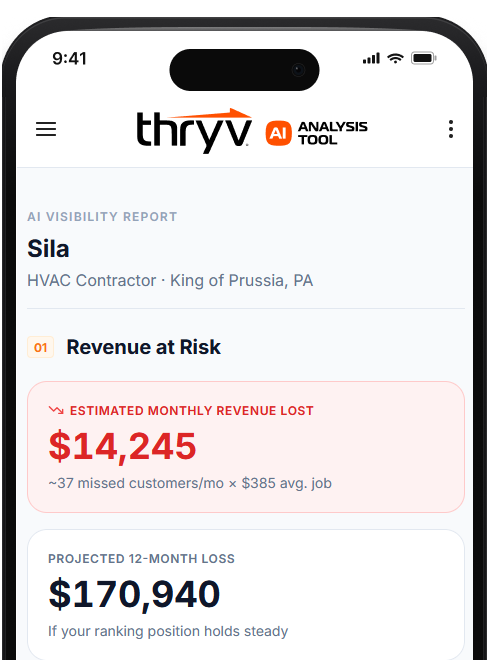
See how your business stacks up against competitors
Get a free AI-powered report showing where you rank online and what to fix first.
Start small, then build
The biggest mistake practices can make with agentic AI is trying to automate everything at once.
A better approach is to start with one workflow.
Look for a repetitive administrative task that:
- Happens frequently
- Has a clear outcome
- Follows defined rules
- Doesn’t require clinical judgement
- Takes staff time away from higher-value work
That could be acknowledging new enquiries, requesting missing administrative information, sending intake forms or helping manage cancelled appointments.
From there, practices can gradually increase the level of autonomy.
AI might first suggest the next step. Then it could draft a response for staff approval. Once the workflow has been tested and the team is confident in the results, the AI could potentially complete selected low-risk tasks independently.
This gradual approach gives practices an opportunity to identify exceptions, improve the workflow and build trust before expanding its role. The same test-and-learn approach can also help businesses introduce AI-powered digital marketing strategies without trying to transform everything at once.
Get your practice ready for agentic
Preparation begins with the patient and referral journey rather than the technology. Here are the steps:
- Map the recurring administrative work across enquiries, referrals, intake forms, bookings, reminders, cancellations, waitlists, invoices and follow-up communication. Look for points where information is missed, staff repeat the same steps, or people wait too long for an answer.
- Organise the information supporting those processes. AI performs best when records are accurate, current and easy to access. A clinic with one reliable view of each enquiry and patient relationship has a stronger foundation than a practice relying on disconnected inboxes, spreadsheets and individual staff memory.
- Choose one low-risk workflow with a clear outcome. A practice could begin with acknowledging enquiries, requesting missing administrative information or offering cancelled appointments according to rules set by the team.
- Document the boundaries. Define what the agent can prepare, what it can complete with approval and what it must escalate.
Reception staff, practice managers and clinicians should help shape the workflow because they understand where delays occur and which conversations require additional care. Staff also need training to review output, correct errors and recognise when the system should stop.
The advantage of moving early
Online bookings, appointment reminders, electronic forms, telehealth and digital payments have reshaped how people interact with allied health practices. Agentic AI could be the next step in that evolution.
Patients and referrers will increasingly expect timely responses, clear communication and fewer administrative gaps. Practices that prepare early may be able to meet those expectations with less manual work involved when compared to their competitors.
For a small clinic, the opportunity lies in creating stronger coordination across a lean team.
For a regional provider, it may support communication across locations and travelling clinicians.
For a multidisciplinary practice, it could create clearer handovers between reception, practitioners and practice management.
The goal is to give people greater capacity for the conversations, decisions and care that require expertise, judgement and empathy.
Start with one repeated administrative task, one well-defined workflow, and firm boundaries. Keep clinical judgement close, protect patient information and use AI where consistency can improve the experience for patients, referrers and staff.
Agentic AI is moving closer to everyday business use. Allied health practices that approach it thoughtfully will be better placed to adopt it with confidence, clarity and care.
FAQs About AI in Allied Health
A: Agentic AI can help move administrative processes forward, such as responding to enquiries, gathering information and supporting bookings.
A: Practices can use AI to support patient enquiries, referrals, intake forms, appointment reminders, cancellation lists, invoicing and follow-up communication.
A: No. AI should support administrative coordination, while diagnosis, clinical decisions, treatment recommendations and sensitive conversations remain with qualified practitioners.
A: It can be used responsibly when practices have secure technology, appropriate permissions, clear escalation points and processes that meet privacy and professional obligations.
A: Start with one low-risk, repetitive administrative task, establish clear boundaries and gradually expand its use after testing accuracy and staff oversight.
A: Traditional automation follows predefined rules, while agentic AI can interpret information, identify the next step and take approved actions within clear boundaries.